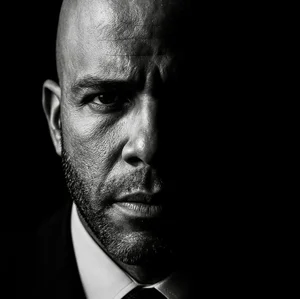
Bad Press Hurts Billion-Dollar Industry
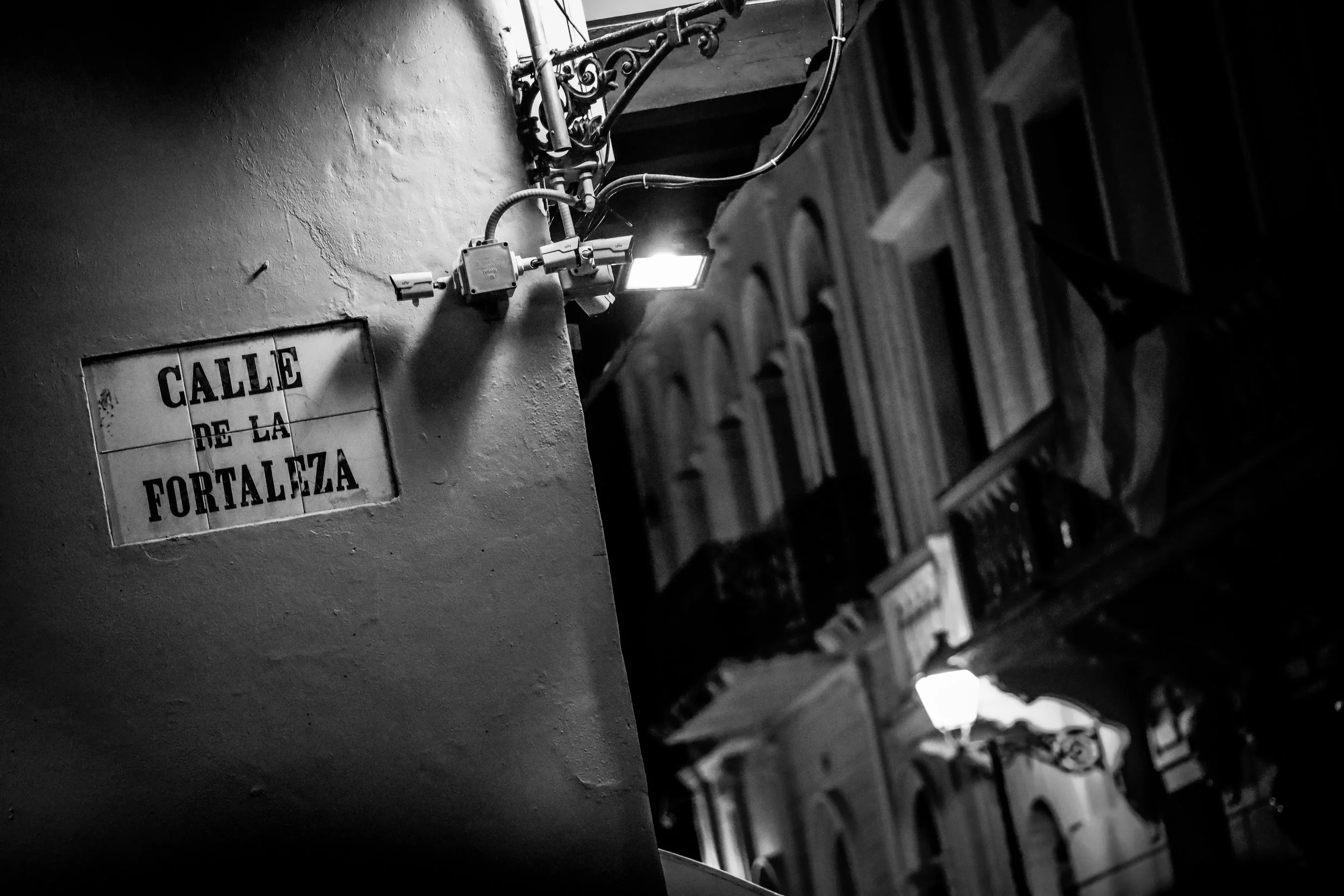
El Viejo San Juan
San Juan, Puerto Rico
During a nationally televised political rally in October 2024, a comedian drew criticism after making Puerto Rico the punchline of a joke about being a floating island of garbage. The moment illustrated what island leaders have long feared: No matter how successful an economy is, negative press can tarnish an image overnight.
Puerto Rico attracts tourists from around the world, and their perception of the island can affect how many choose to visit. Because tourism drives more than $1 billion into Puerto Rico’s economy and employs more than 100,000 workers, bad publicity can devastate families. Puerto Rico leaders should invest in year-round reputation management and positive media framing.
Stats Matter:
Positive stories fuel Puerto Rico’s economy. Despite some negative coverage, the island drew 7.5 million visitors who spent $11.6 billion, creating a total economic impact of $18 billion in 2024, according to Tourism Economics for Discover Puerto Rico. Visitor revenue generated $1.3 billion in tax returns and supported jobs for 141,000 Puerto Ricans.
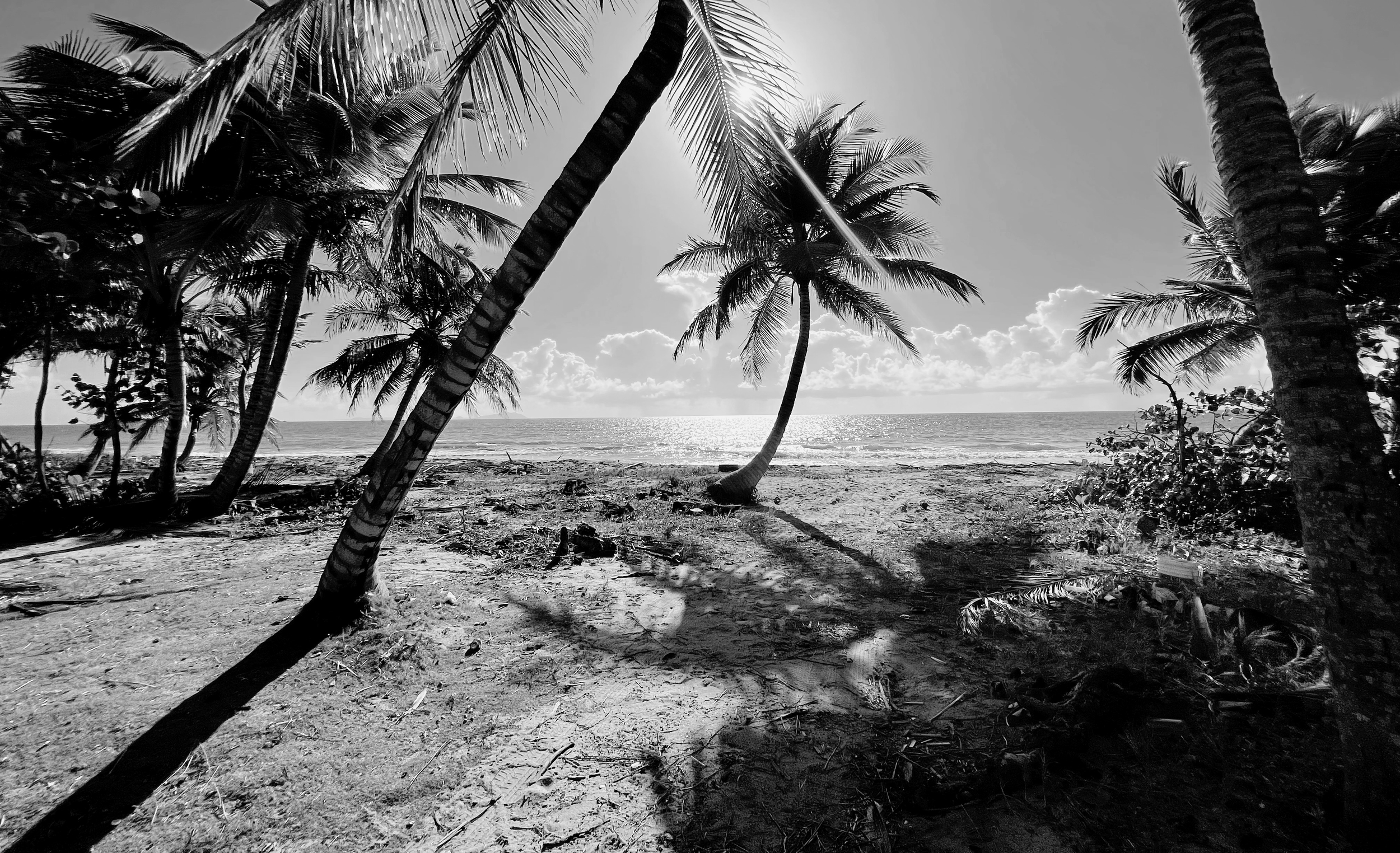
Punta Santiago Beach
Humacao, Puerto Rico
Understanding the Perception Gap:
Those 7.5 million visitors did not forget that Puerto Rico suffered a Category 4 hurricane in 2017. Before the #CoverTheProgress campaign launched in August 2018, Discover Puerto Rico cited research showing that more than 50% of would-be visitors said their perception of the island was shaped by media coverage.
Organizers replaced the well-known “S.O.S.” mural in hurricane-ravaged Punta Santiago with “Bienvenidos” — Spanish for “Welcome.” The gesture generated 1 billion media impressions. One year later, Puerto Rico recorded a 23% increase in travel perception and sold 12% more vacation packages.
Perspective From Experts:
“We know tourism is one of the biggest drivers of our economy. It’s almost 10% of GDP for the island of Puerto Rico and represents 77,000 jobs,” Discover Puerto Rico CEO Brad Dean told PRovoke Media in 2018.
When deciding to focus advertising on storytelling rather than traditional campaigns, Dean called it an “intentional shift.” To show the world Puerto Rico was healing, the organization featured real residents telling their own stories — not actors.
“That was the only frame that could combat footage of trailers washing away,” Dean said.
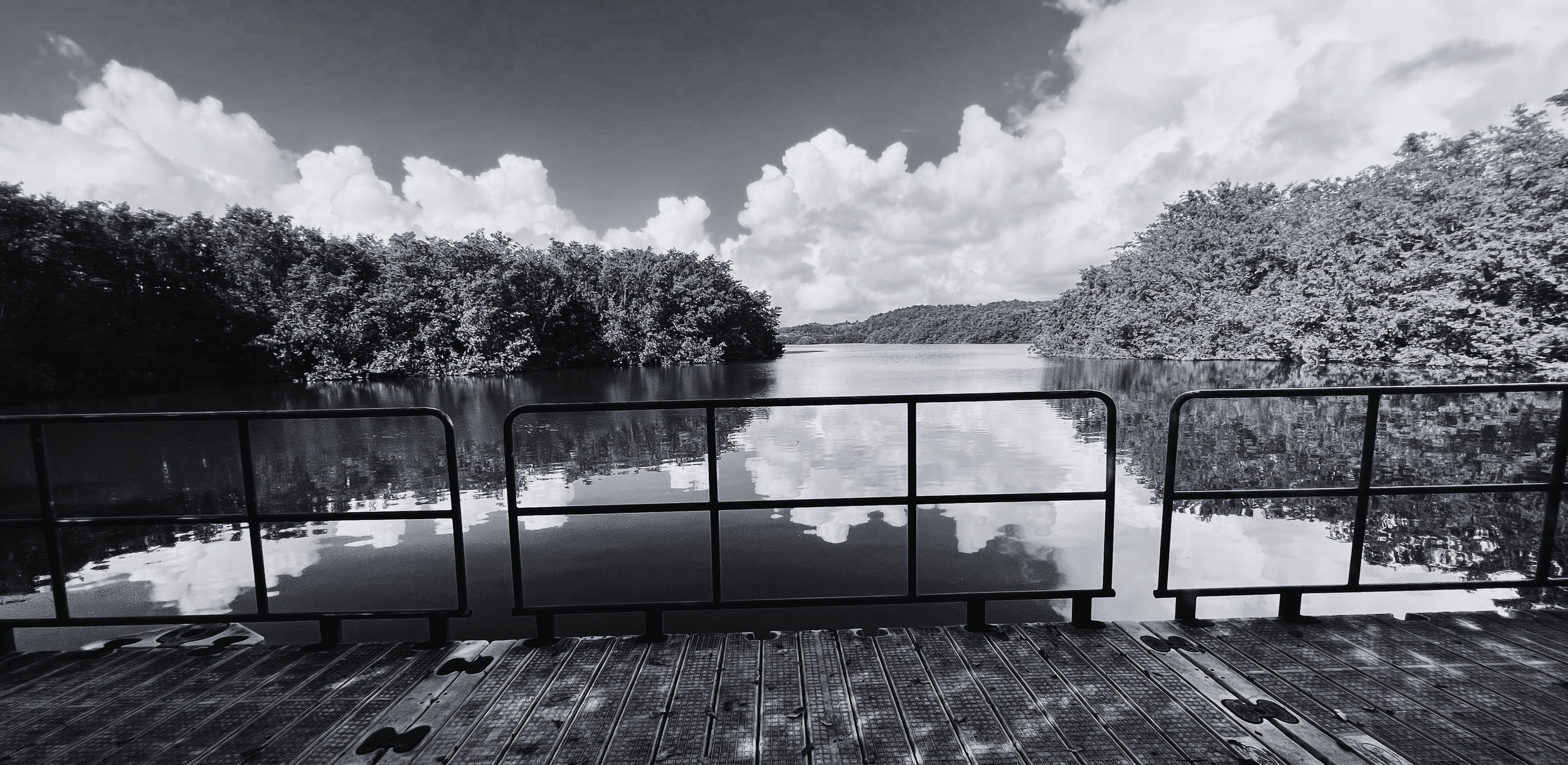
Reserva Natural De Humacao
Humacao, Puerto Rico
Two Sides to Every Story:
Tourism in Puerto Rico has never been without challenges. Critics point to the island’s unreliable power grid as one area where an influx of visitors strains aging infrastructure. A lack of affordable housing — driven in part by the displacement of locals for short-term rentals — is another concern, according to the Hurricane Recovery and Rebuilding Coalition.
Advocating for Puerto Rico is not about misleading the public. The island can own what makes it unique while painting an accurate picture of both its opportunities and its challenges.